Why Flavor Is a Hydration Strategy, Not a Preference
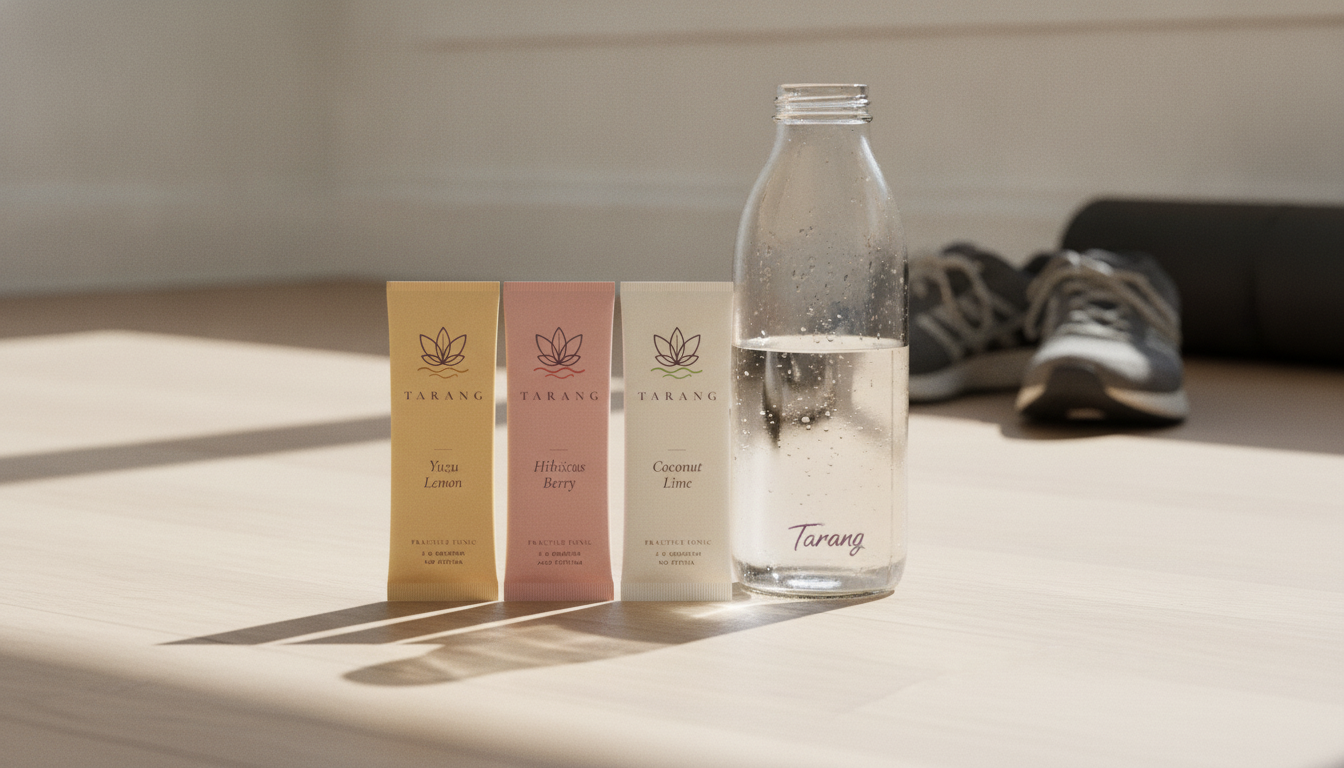
Most people treat electrolyte flavor like a minor detail, something to decide quickly and forget. But if you have ever trained through a heated class with a bottle you were not excited to drink, you already know the problem. A half-finished bottle at the end of a 60-minute sculpt session is not a hydration success, even if the formula inside was perfect.
The science here is simple and not new. Voluntary fluid intake, meaning how much you actually drink when no one is telling you to, goes up when the taste works for you in that context. Beverage researchers call this flavor-induced drinking. You do not have to think about it or track it. It just happens when the taste is right.
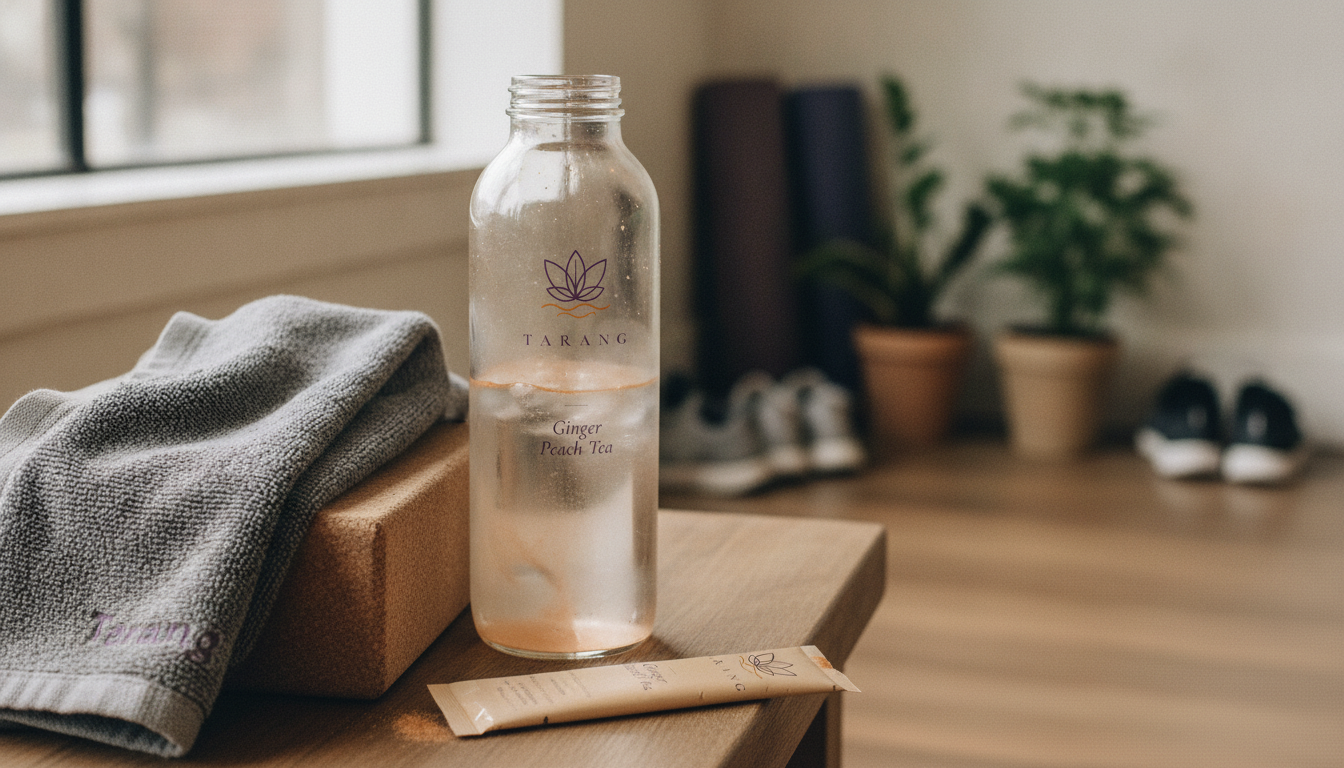
Tarang currently offers three launch flavors, Yuzu Lemon, Hibiscus Berry, and Coconut Lime, with Ginger Peach Tea coming soon. Each one carries the same core formula: 5 g micronized creatine monohydrate, 400 mg sodium, potassium, magnesium, calcium, coconut water powder, six botanicals, L-theanine, and vitamins C, D3, and B12. What changes is the taste experience, and that experience shapes your behavior more than any label claim will.
Matching Flavor to Heat and Sweat Level
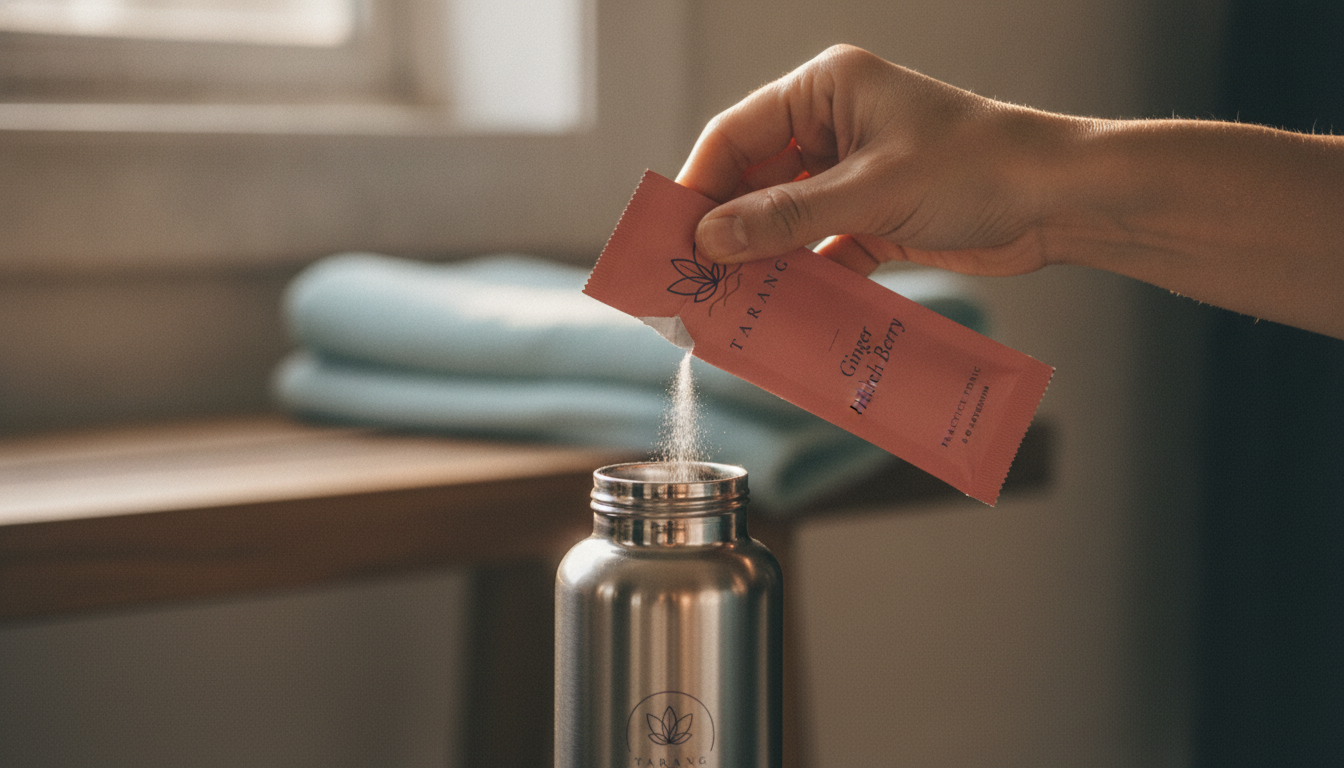
In a heated room, your palate shifts. Flavors that taste balanced at room temperature can start to feel flat or even unpleasant once you are 20 minutes into a hot class and your mouth is salty and dry. This is why bright, slightly tart profiles tend to outperform mild or neutral ones during high-sweat sessions.
Hibiscus Berry is the most assertive of the three current flavors. The berry-forward tartness stays noticeable even when your taste buds are working overtime, which makes it a solid pick for 60-minute heated yoga, Bikram-style classes, or any session where you know you will be dripping. The hibiscus note has a natural sharpness that cuts through palate fatigue.
Yuzu Lemon is citrus-forward with a slightly floral finish. It lands somewhere between tart and clean, which works well in heated pilates or barre where the room is warm but not aggressively hot. It is also the flavor most people describe as easy to drink fast, which matters if you are a between-pose sipper rather than someone who nurses a bottle over a full hour.
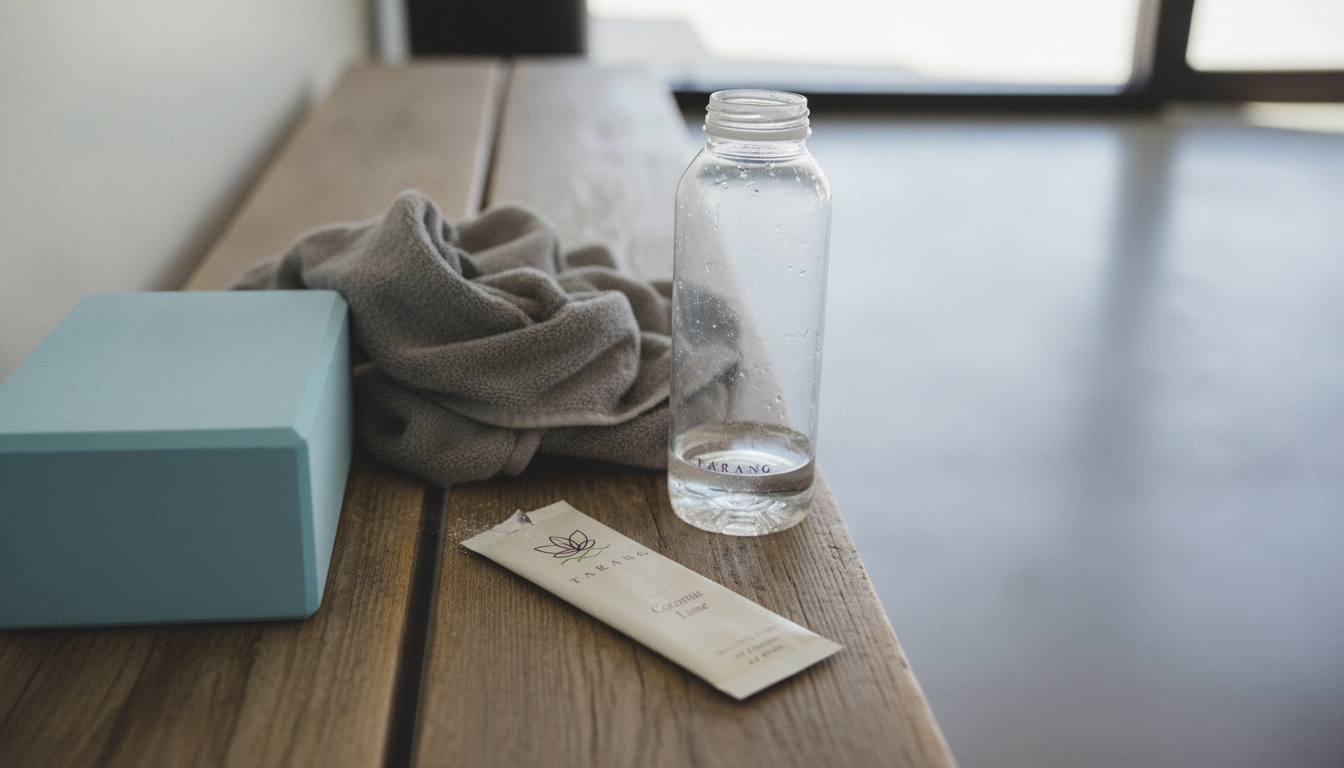
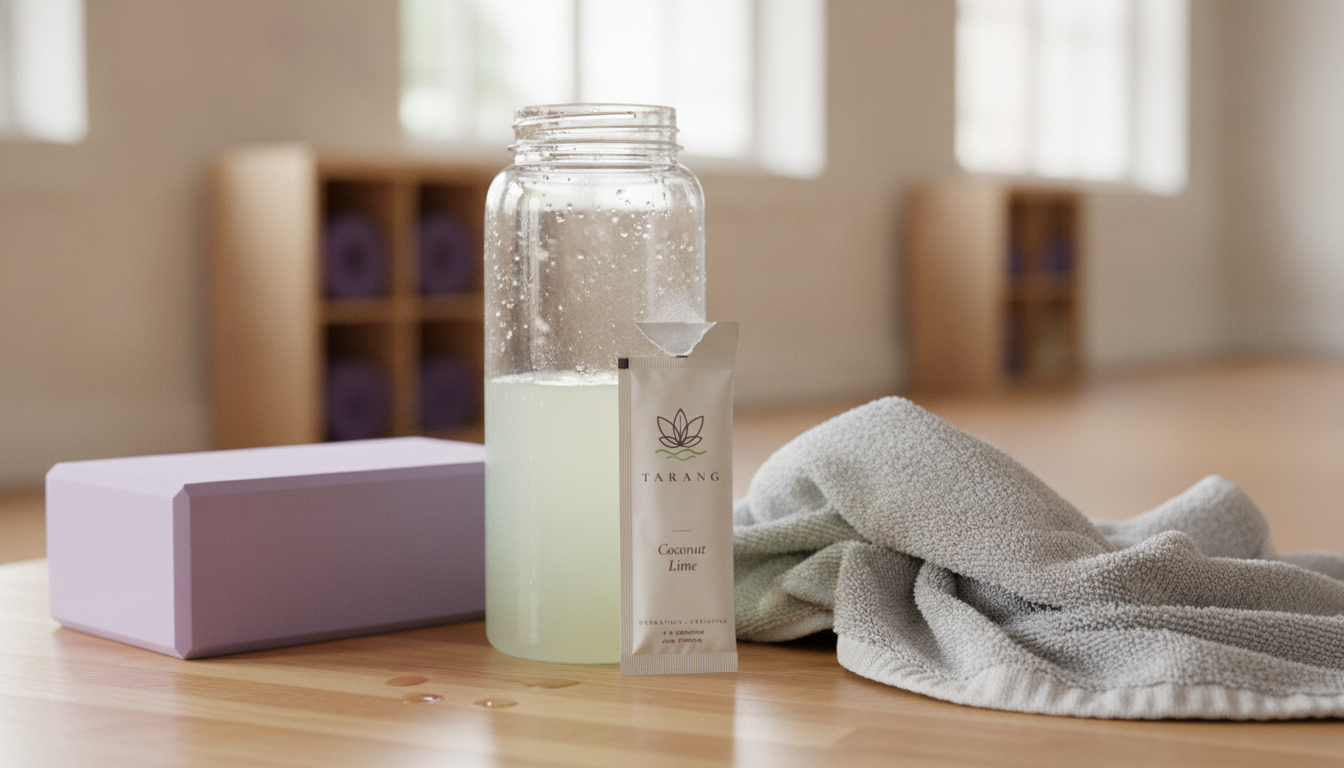
Coconut Lime reads as the most refreshing of the three. The coconut water base in the formula echoes in the flavor profile, making it feel slightly cooling in a way the other two do not. If you run outdoors or train in a cooler strength setting, this one tends to be the go-to because it does not demand attention, it just tastes good and keeps you going.
Time of Day Changes What Tastes Good
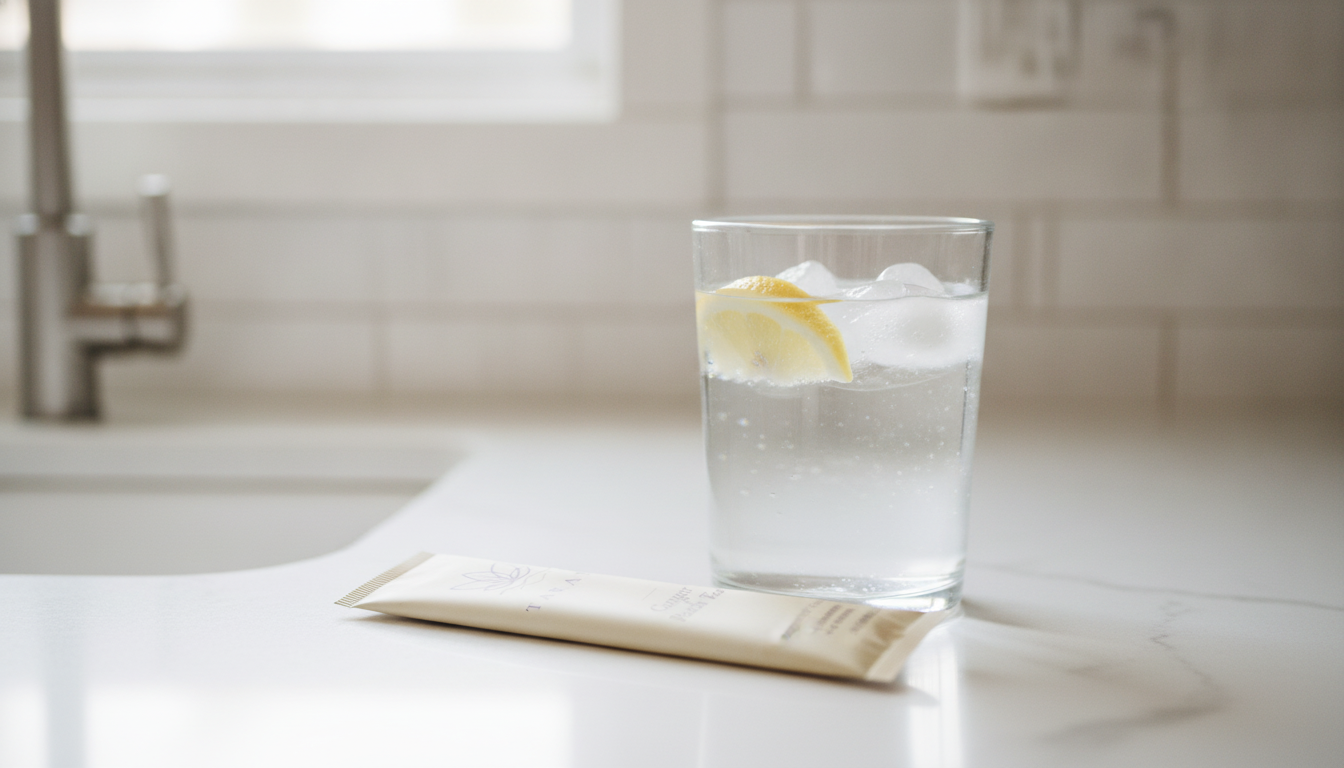
Your flavor preference is not fixed. What sounds good before a 7 a.m. class is often different from what you want at noon or after a 6 p.m. lift. This is worth thinking about if you train at the same time most days, because building a consistent pre-practice ritual around a flavor you genuinely look forward to makes the daily creatine habit much easier to sustain.
Early morning trainers often gravitate toward Yuzu Lemon because citrus feels like a natural wake-up. Midday and evening athletes tend to split between Hibiscus Berry (for the brightness) and Coconut Lime (for the wind-down feel). None of this is a rule. It is just a pattern worth noticing in your own routine.
Because Tarang uses allulose and monk fruit instead of stevia, every flavor stays lightly sweet without the bitter aftertaste that some people get from stevia at any time of day. That consistency across flavors means your choice is purely about the taste profile, not about managing an ingredient you find unpleasant.
Matching Flavor to Your Practice Type
- Heated yoga or Bikram-style class: Hibiscus Berry or Yuzu Lemon. Both hold up in high heat and keep you interested in drinking through the full session.
- Reformer or mat pilates: Any of the three work, but Yuzu Lemon is a common favorite for its clean finish between exercises.
- Strength training: Hibiscus Berry or Yuzu Lemon. Short, high-intensity sets mean you want a flavor that feels rewarding per sip, not just functional.
- Running outdoors: Coconut Lime is the most popular with runners for long efforts. The refreshing quality does not become cloying over 45-plus minutes of steady intake.
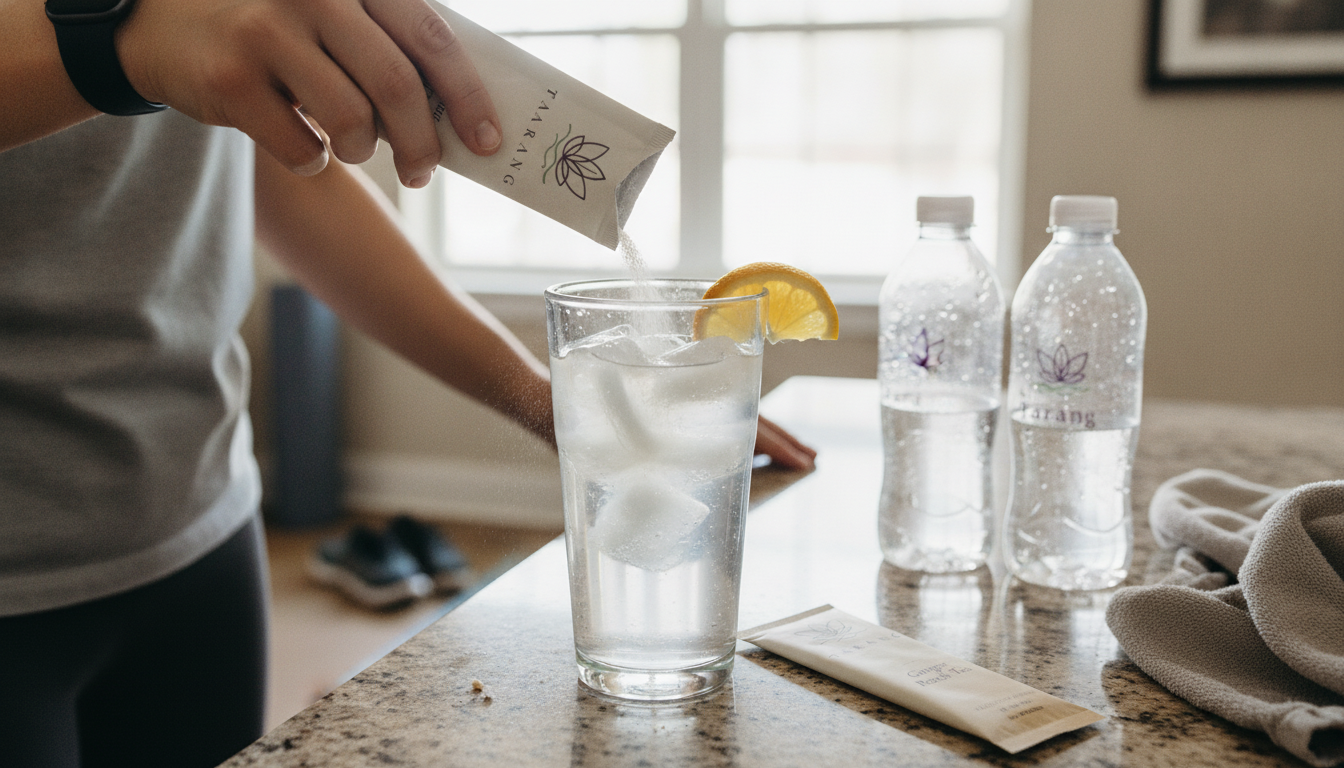
- Rest days: Any flavor. The daily creatine habit works best when it does not feel like a chore, so pick whatever sounds good and mix it into a glass of cold water mid-morning.
How to Use the Discovery Box to Find Your Match
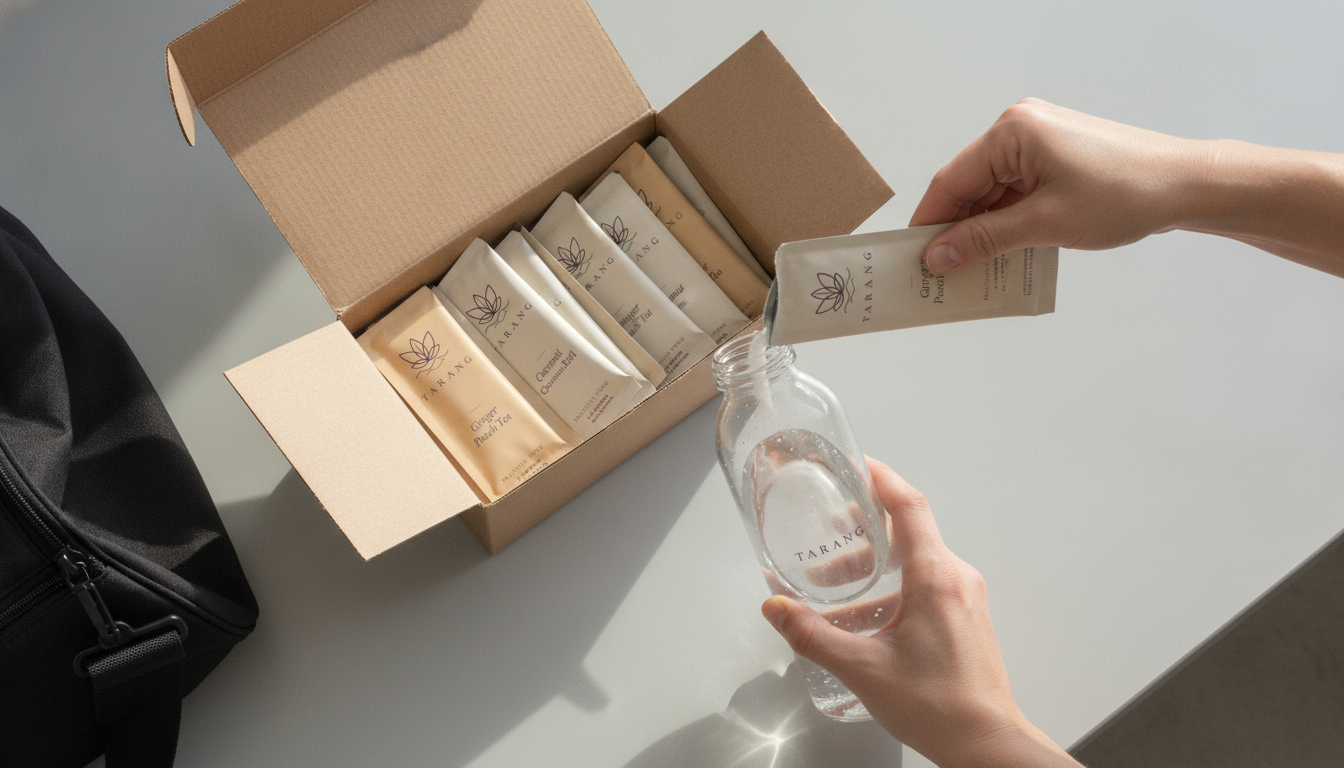
If you are new to Tarang or want to test flavors across different sessions before committing to a monthly subscription, the Discovery Box (14 mixed sticks, one-time purchase at $45) is the most practical starting point. You get enough sticks to try each flavor in multiple training contexts, which gives you a real sense of how each one lands in a heated class versus a morning run versus a rest-day desk drink.
Once you have a clear favorite, or a clear rotation, the monthly subscription (30 sticks, $75) lets you customize your flavor mix, swap when you want a change, and skip or pause without friction. There is no penalty for changing your mind.
The goal is simple: get to a place where reaching for your Tarang stick before practice feels automatic and enjoyable, not like a supplement obligation. Flavor is the most underrated tool for making that happen.
These statements have not been evaluated by the Food and Drug Administration. This product is not intended to diagnose, treat, cure, or prevent any disease. For individual health concerns, consult a qualified healthcare provider.
Questions
- Does flavor actually affect how much I hydrate?
- Yes. Research on voluntary fluid intake consistently shows that people drink more when a beverage tastes good to them in that moment. A flavor that feels too sweet post-run, or too mild in a heated room, often leads to sipping less than you need. Matching flavor to context is a practical tool, not just preference.
- Which Tarang flavor works best for a heated yoga or pilates class?
- Hibiscus Berry and Yuzu Lemon both work well in high-heat sessions because their bright, tart notes cut through the sensation of a hot room and stay appealing even when your palate is fatigued mid-class. Coconut Lime is a great choice if you prefer something a little more cooling and tropical.
- Is one flavor better for strength training versus running?
- Coconut Lime tends to feel refreshing during longer steady efforts like runs, while Hibiscus Berry and Yuzu Lemon are popular with strength training sessions where sips are shorter and flavor intensity keeps things interesting between sets. Ginger Peach Tea (coming soon) is expected to appeal to runners who prefer a warmer, softer finish.
- Are all Tarang flavors sweetened the same way?
- Yes. Every Tarang flavor uses the same allulose and monk fruit blend with no stevia, no added sugar, and no artificial sweeteners. The flavor profile changes but the sweetness level and formula stay consistent across the lineup.
- Can I mix flavors in a subscription?
- Yes. The Discovery Box (14 sticks, mixed flavors) is a good starting point before you commit to a monthly box. Once you know your favorites, the subscription lets you swap flavors, skip, or pause any time online.
This guide is general information, not medical advice. If you are pregnant, nursing, taking medication or managing a condition, talk to a healthcare professional before changing how you hydrate or supplement.